
14 Lighting Audit Questions Every Facility Manager Should Ask
January 27, 2026
10 Reasons Businesses Are Switching to Motion-Activated Lighting
February 9, 2026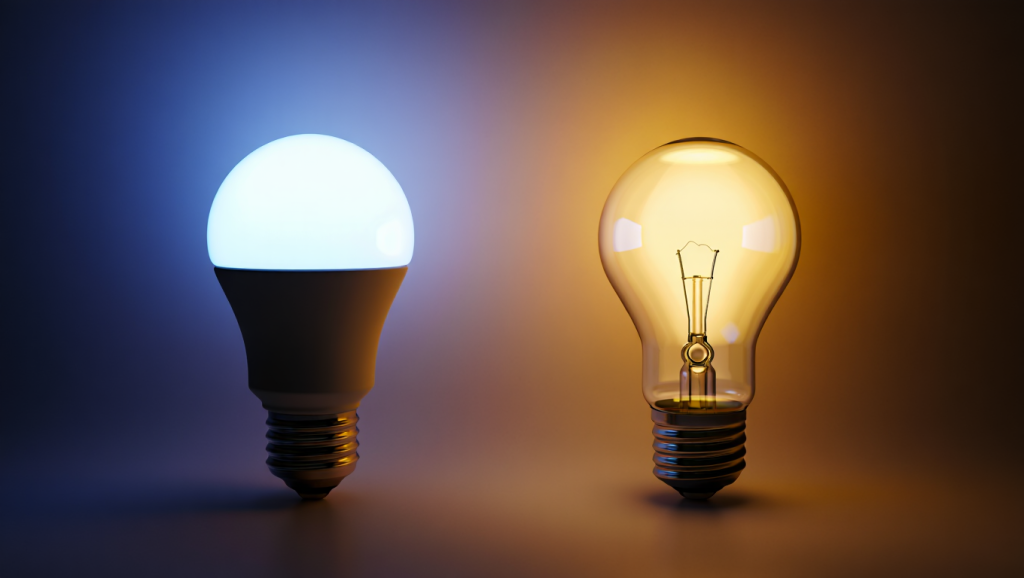
Choosing the right light bulbs for your home of offices might seem like a simple decision, but it can significantly impact your energy bills, the ambiance of your living spaces, and even your environmental footprint. For Canadian homeowners, the debate between LED vs halogen light bulbs is more relevant than ever, especially as energy costs continue to rise and sustainability becomes a growing priority.
In this comprehensive guide, we'll break what you need to know about LED vs halogen light bulbs. By the end, you'll have a clear understanding of which option best suits your needs, budget, and lifestyle.
Understanding the Basics: LED vs Halogen light bulbs?
Before diving into comparisons, let's establish what makes each technology unique.
LED Light Bulbs
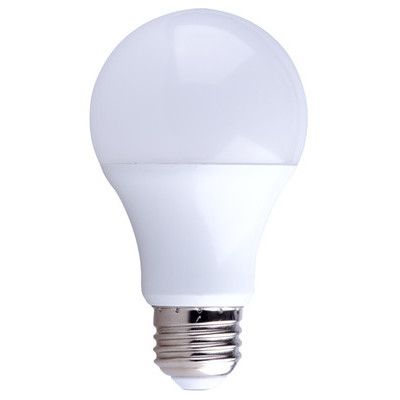
LED stands for Light Emitting Diode. Unlike traditional bulbs that use heat to generate light, LEDs produce illumination through the movement of electrons in a semiconductor material. This process makes them remarkably energy-efficient and long-lasting.
LED technology has evolved dramatically over the past decade. Today's energy-saving LED bulbs are available in a wide range of colour temperatures, from warm white to cool daylight, making them versatile for any room in your home.
Halogen Light Bulbs
Halogen bulbs are an advanced form of incandescent lighting. They contain a tungsten filament enclosed in a compact capsule filled with halogen gas. When electricity passes through the filament, it heats up and produces light.
While halogen bulbs are more efficient than traditional incandescent bulbs, they still generate a significant amount of heat. This characteristic makes them popular for specific applications like outdoor floodlights and task lighting, but less ideal for general household use.
Head-to-Head Comparison: LED vs Halogen Light Bulbs
To help you make an informed decision, here's a detailed comparison of the two technologies across key factors:
| Feature | LED Bulbs | Halogen Bulbs |
|---|---|---|
| Average Lifespan | 25,000–50,000 hours | 2,000–4,000 hours |
| Energy Efficiency | Uses 75–80% less energy than halogen | Less efficient; converts much energy to heat |
| Heat Output | Minimal heat generation | High heat output |
| Upfront Cost | Higher initial investment | Lower purchase price |
| Long-Term Cost | Significant savings over time | Higher operating costs |
| Environmental Impact | Lower carbon footprint | Higher energy consumption |
| Light Quality | Wide range of colour temperatures | Warm, natural light similar to incandescent |
| Dimming Compatibility | Most are dimmable; check specifications | Generally dimmable |
| Availability in Canada | Widely available | Being phased out in many provinces |
Energy Efficiency: Why It Matters for Canadian Homeowners
Energy efficiency isn't just a buzzword—it directly affects your monthly hydro bills and your household's carbon emissions.
The Numbers Speak for Themselves
According to Natural Resources Canada, lighting accounts for approximately 5% of a typical home's energy consumption. While this might sound modest, switching from halogen to LED bulbs can reduce your lighting energy use by up to 80%.
Recent data highlights the growing impact:
- Global LED Market Growth: The LED lighting market was valued at USD 76.3 billion in 2023 and is projected to reach USD 134.5 billion by 2030, growing at a CAGR of 8.4%, reflecting the worldwide shift toward energy-efficient lighting solutions. (Source: Fortune Business Insights, 2024)
- Canadian Energy Savings: A study by the Canadian Energy Efficiency Alliance found that widespread LED adoption in Canadian residential sectors could reduce national electricity consumption by approximately 5.5 TWh annually—enough to power over 500,000 homes. (Source: Canadian Energy Efficiency Alliance, 2023)
- Cost Reduction Data: The average Canadian household can save between $100 to $200 annually by replacing all halogen and incandescent bulbs with LED alternatives, according to 2024 utility cost analyses. (Source: Natural Resources Canada)
Let's put this into perspective with a practical example:
Scenario: You have 30 light bulbs in your home, each running for an average of 5 hours per day.
- Halogen (60W equivalent): 30 bulbs × 60W × 5 hours × 365 days = 3,285 kWh/year
- LED (9W equivalent): 30 bulbs × 9W × 5 hours × 365 days = 493 kWh/year
Annual Savings: Approximately 2,792 kWh
Depending on where you live in Canada, this could translate to savings of $250 to $400 annually on your electricity bill.
"The switch to LED lighting is one of the simplest and most cost-effective ways Canadian homeowners can reduce their energy consumption and lower their environmental impact." — Energy Efficiency Expert, Natural Resources Canada
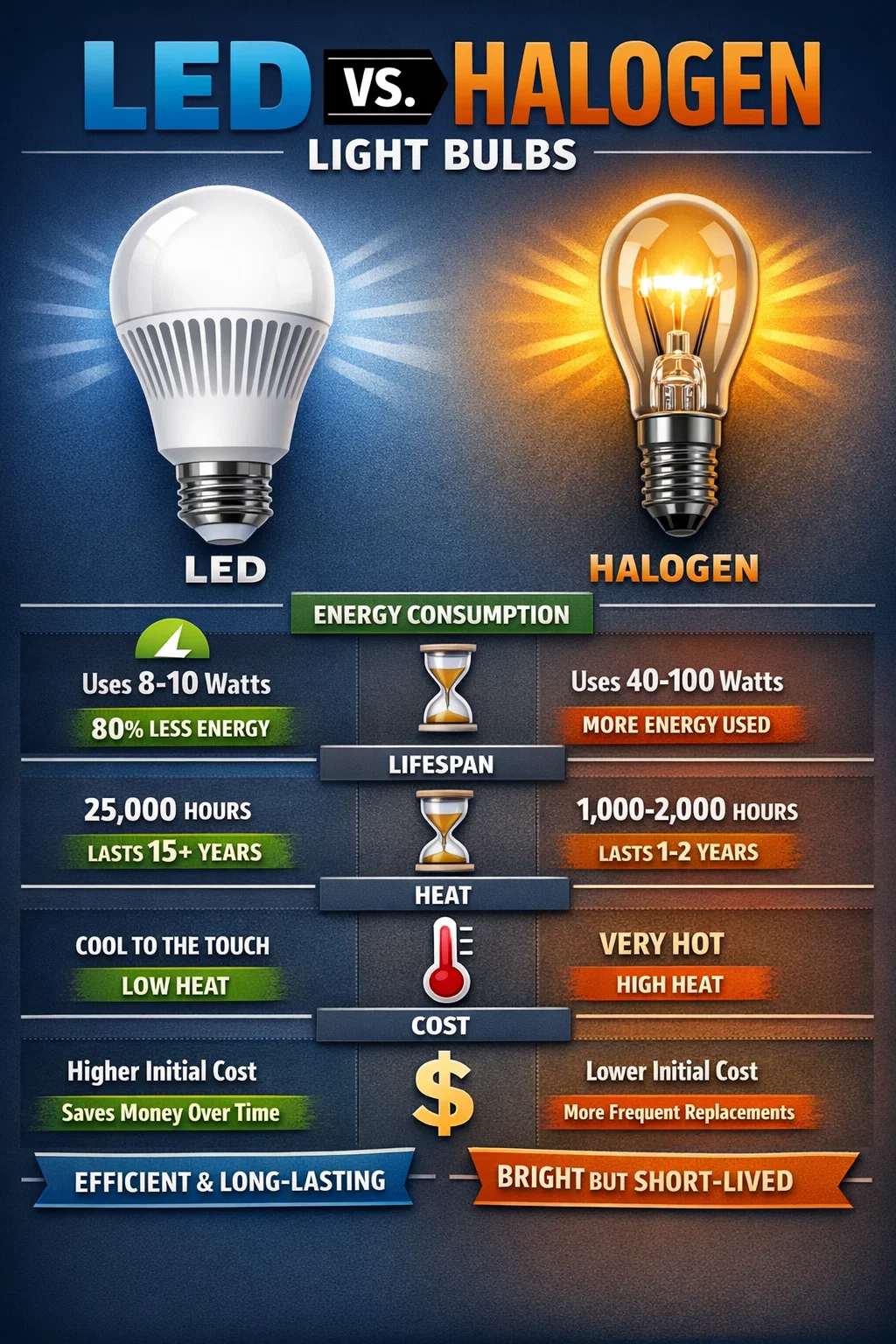
LED vs Halogen Light Bulbs Infograpihc
Lifespan and Durability: The Long Game
One of the most compelling arguments for LED bulbs is their exceptional lifespan.
- LED Longevity
A quality LED bulb can last between 25,000 and 50,000 hours. If you use a bulb for about 3 hours per day, that translates to roughly 22 to 45 years of use. Yes, you read that correctly—decades of reliable lighting from a single bulb.
- Halogen Limitations
Halogen bulbs typically last between 2,000 and 4,000 hours. Using the same 3-hour daily usage, you'd need to replace a halogen bulb every 2 to 4 years.
- What This Means for Your Wallet
While LED bulbs have a higher upfront cost, their longevity means fewer replacements over time. Consider this breakdown:
- LED bulb cost: $8–$15 (lasts 20+ years)
- Halogen bulb cost: $3–$6 (needs replacement every 2–4 years)
Over a 20-year period, you might purchase one LED bulb versus five to ten halogen bulbs for the same fixture. The math clearly favours LEDs.
Light Quality and Ambiance
For many homeowners, light quality is just as important as efficiency. After all, lighting sets the mood and atmosphere of your living spaces.
- Colour Temperature Options
LED technology has come a long way in terms of light quality. Modern LED bulbs offer:
- Warm White (2700K–3000K): Perfect for living rooms, bedrooms, and cozy spaces
- Neutral White (3500K–4000K): Ideal for kitchens, bathrooms, and workspaces
- Cool Daylight (5000K–6500K): Best for garages, workshops, and task-oriented areas
Halogen bulbs naturally produce a warm, golden light around 2800K–3000K. This warmth has traditionally been their selling point, often praised for its similarity to natural sunlight.
LED Adoption in Canada: By the Numbers
Recent market research reveals compelling trends in Canadian lighting preferences:
- Market Penetration: LED bulbs now account for approximately 72% of all light bulb sales in Canada, up from just 15% in 2015. (Source: Statista, 2024)
- Consumer Satisfaction: A 2024 consumer survey found that 89% of Canadian homeowners who switched to LED lighting reported satisfaction with their decision, citing energy savings and longevity as primary benefits. (Source: Canada Mortgage and Housing Corporation)
- Smart Lighting Growth: The smart LED lighting segment in Canada is expected to grow at a rate of 21.2% from 2024 to 2029, driven by increasing home automation adoption.
- Price Decline: The average retail price of LED bulbs in Canada has decreased by 88% since 2012, making them more accessible than ever while halogen prices have remained relatively stable. (Source: Natural Resources Canada, 2024)
Colour Rendering Index (CRI)
The Colour Rendering Index measures how accurately a light source reveals the true colours of objects. Both LED and halogen bulbs can achieve high CRI ratings:
- Halogen: Typically 100 CRI (excellent)
- Quality LEDs: 80–98 CRI (good to excellent)
For most household applications, a CRI of 80 or above is perfectly adequate. If colour accuracy is paramount—such as in art studios or makeup areas, look for LED bulbs with a CRI of 90 or higher.
Safety Considerations
Safety should never be overlooked when choosing lighting for your home.
- Heat Generation
Halogen bulbs operate at extremely high temperatures, often exceeding 200°C on the bulb surface. This creates several concerns:
- Fire hazard if placed near flammable materials
- Burn risk when changing bulbs
- Increased cooling costs in summer months
LED bulbs, by contrast, remain cool to the touch during operation. They typically don't exceed 50°C, making them safer for enclosed fixtures, children's rooms, and areas where accidental contact might occur.
- Canadian Climate Considerations
For Canadian homeowners, there's an interesting seasonal consideration. During winter months, the heat from halogen bulbs can provide a small supplementary heating effect. However, this benefit is negligible compared to the safety risks and year-round energy waste.
The Global Shift Toward LED Technology
The transition to LED lighting isn't just a Canadian trend—it's a worldwide movement backed by compelling data:
- Energy Consumption Reduction: According to the U.S. Department of Energy's 2024 report, widespread LED adoption in North America prevented approximately 570 million metric tons of carbon emissions between 2010 and 2023—equivalent to removing 120 million cars from the road for one year. (Source: U.S. Department of Energy, 2024)
- Phase-Out Timelines: As of September 2024, Canada has implemented regulations under the Energy Efficiency Act that effectively phase out the manufacturing and import of most halogen light bulbs, aligning with global efficiency standards. (Source: Government of Canada, 2024)
- Environmental Benefits: Research from the International Energy Agency (IEA) indicates that if all remaining inefficient lighting globally were replaced with LEDs, it would reduce worldwide electricity demand for lighting by more than 50% and cut 1,300 million tonnes of CO2 emissions annually. (Source: IEA, 2023)
Carbon Footprint
Because LED bulbs use significantly less electricity, they contribute fewer greenhouse gas emissions over their lifetime. A single LED bulb can prevent the release of approximately 200 pounds of carbon dioxide compared to its halogen equivalent over the same period.
Waste Reduction
The extended lifespan of LED bulbs means fewer bulbs end up in landfills. This reduction in waste is particularly meaningful given that halogen bulbs contain trace amounts of hazardous materials.
Government Initiatives
Canada has been progressively phasing out inefficient lighting. Many provinces now restrict the sale of certain halogen bulbs, encouraging the transition to more energy-efficient alternatives. Staying ahead of these regulations by switching to LEDs ensures you won't face sudden bulb shortages or compatibility issues.
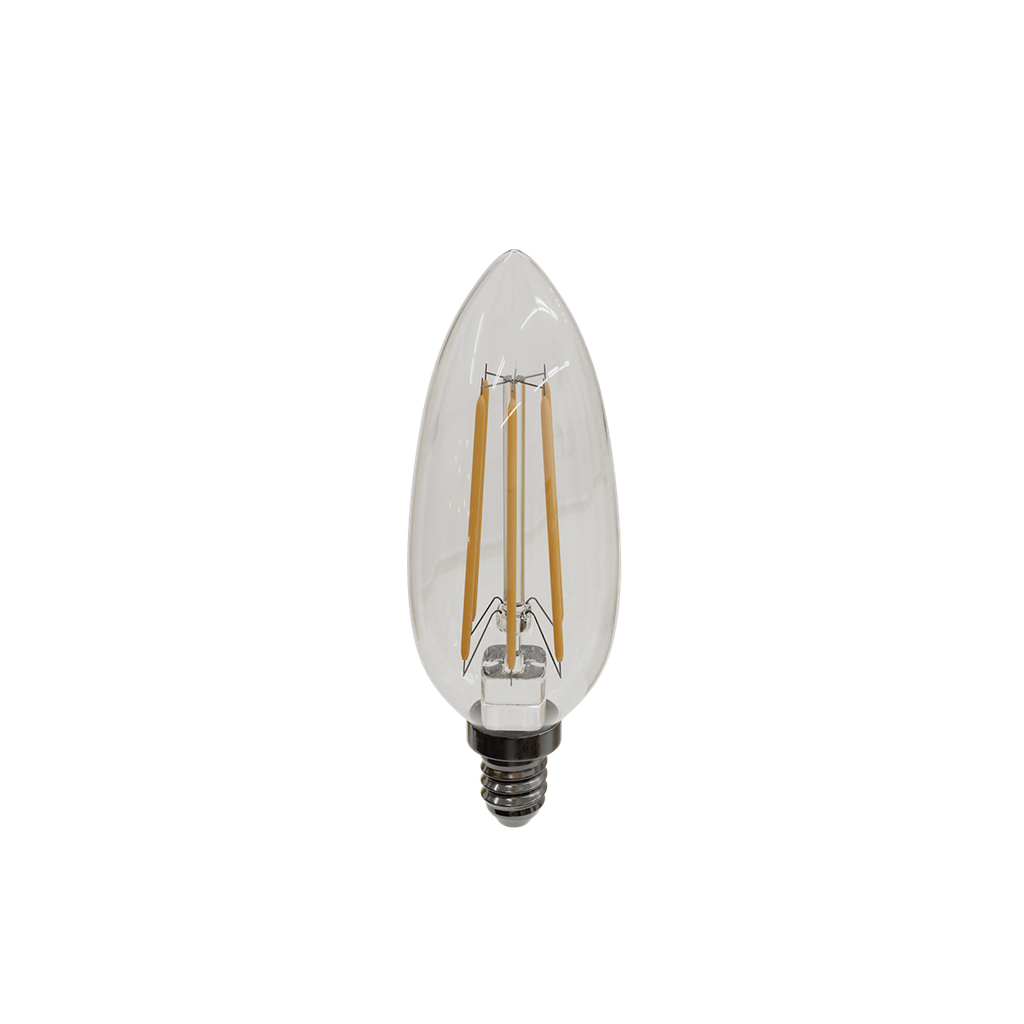
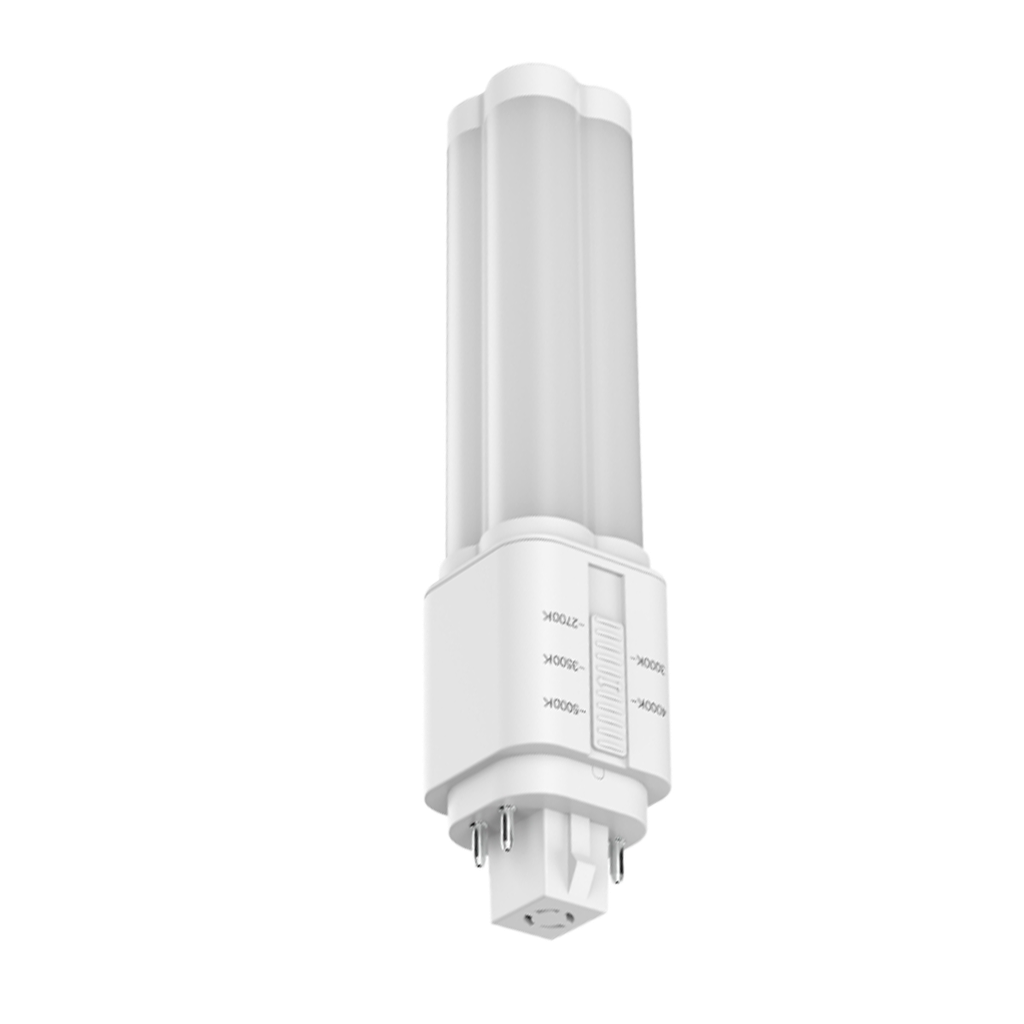
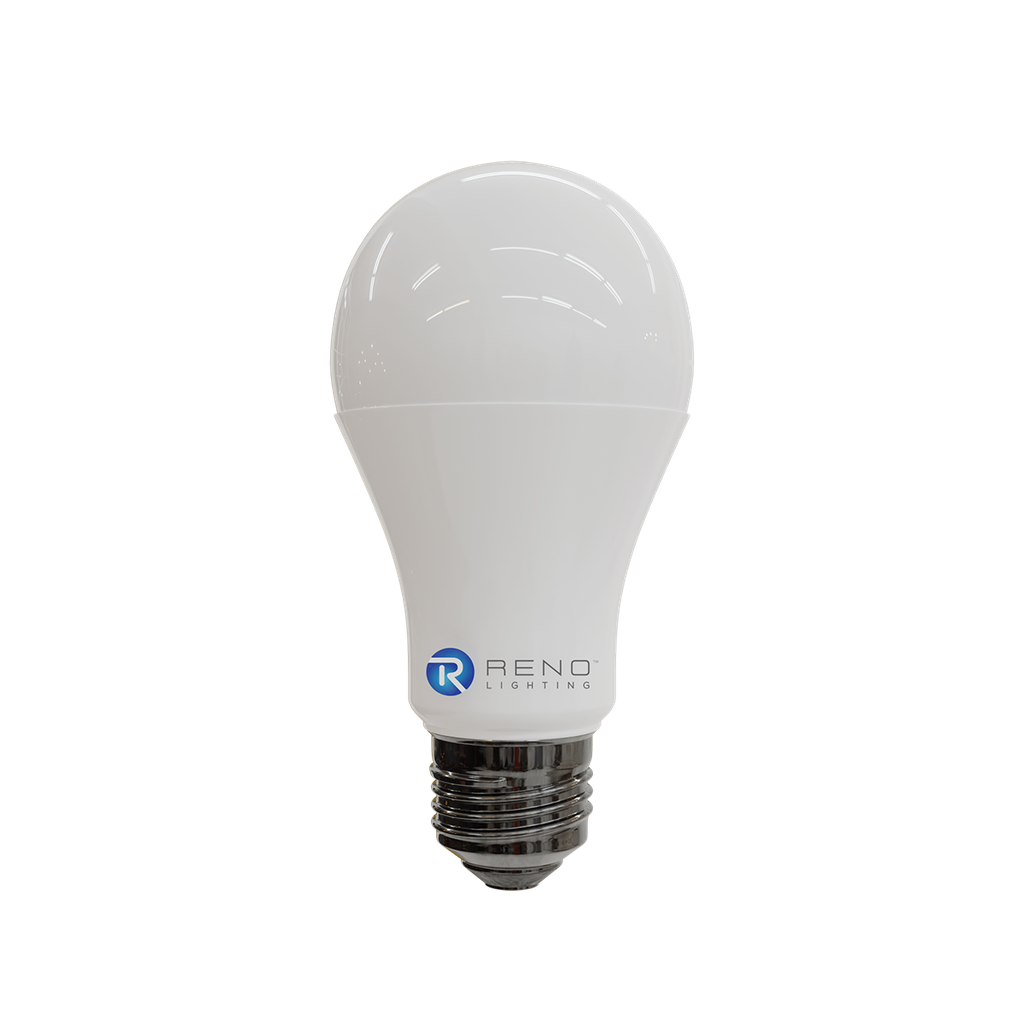
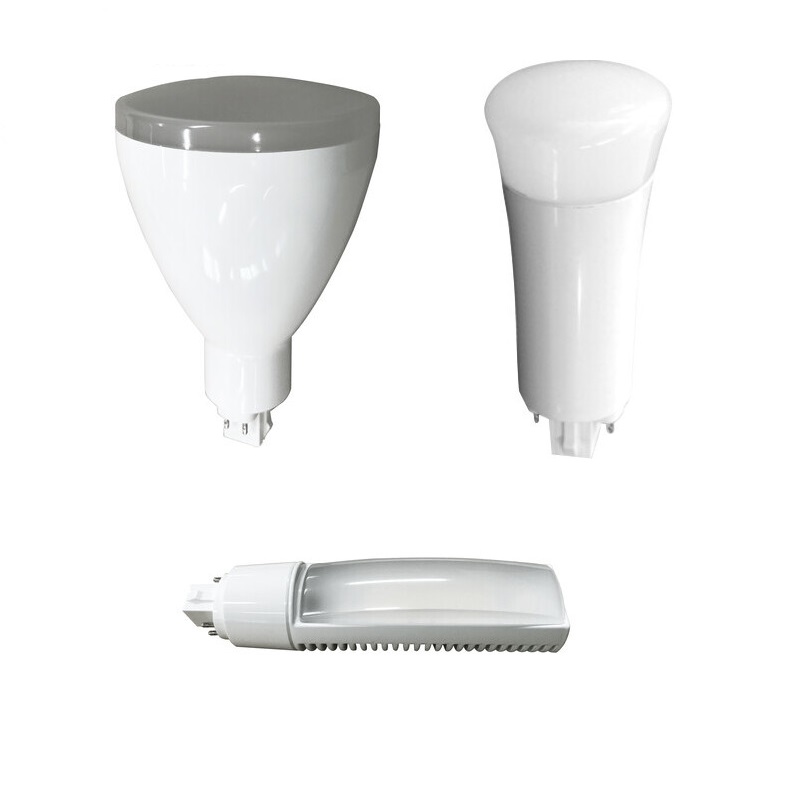

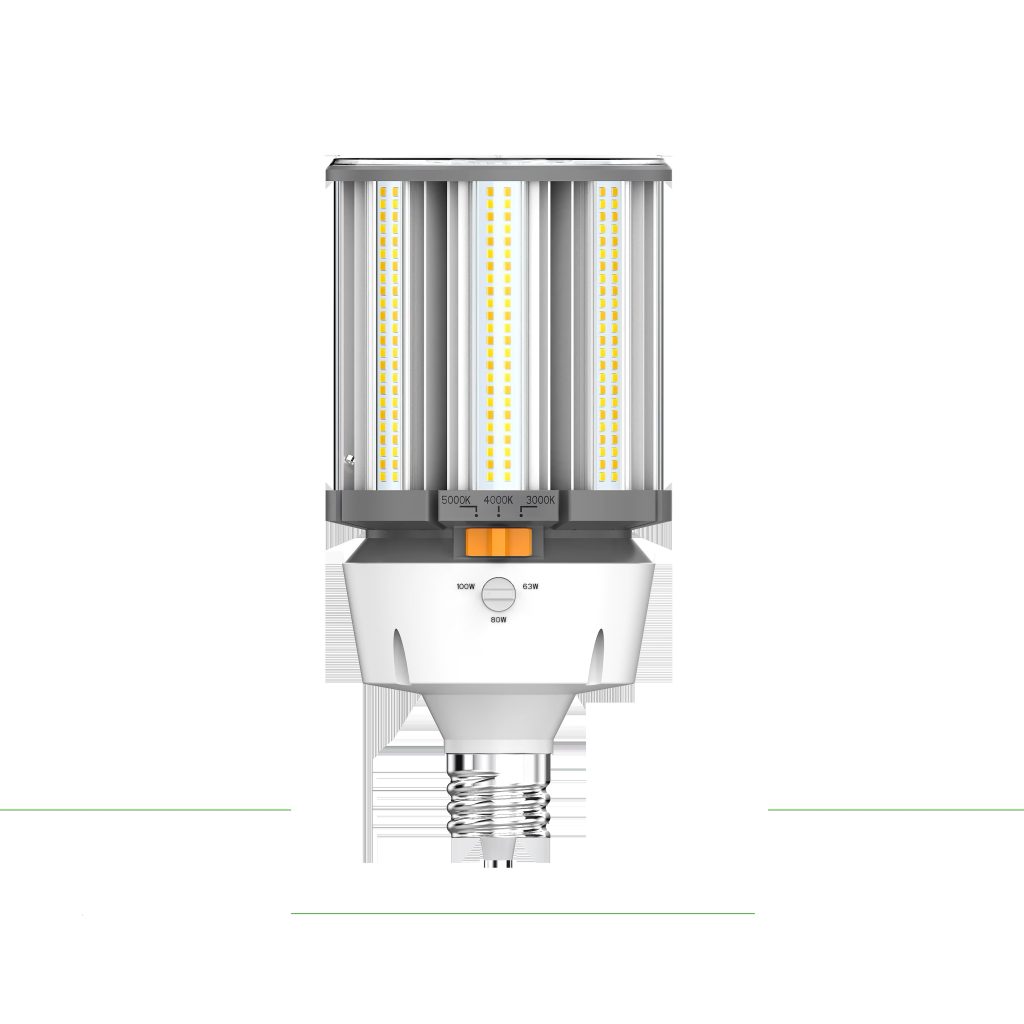

Practical Applications: Where Each Bulb Type Excels
While LEDs are the superior choice for most applications, there are specific scenarios where each technology performs best.
Best Uses for LED Bulbs
- General household lighting
- Recessed ceiling lights
- Outdoor fixtures and porch lights
- Kitchen and bathroom lighting
- Smart home lighting systems
- Commercial and office spaces
- Garages and workshops
Situations Where Halogen Might Still Be Used
- Specialty automotive applications
- Certain theatrical and studio lighting
- Specific industrial equipment
- Vintage or restoration projects requiring authentic lighting
Making the Switch: Practical Tips for Canadian Homeowners
Ready to upgrade your home lighting? Here are some actionable steps:
Start with High-Usage Areas
Focus first on rooms where lights are on most frequently—living rooms, kitchens, and home offices. These areas offer the greatest potential for energy savings.
Check for Rebates and Incentives
Many Canadian utility companies offer rebates for purchasing energy-efficient lighting. Check with your local provider to see what Save on energy instant discounts program are available in your area.
Choose Quality Brands
Not all LED bulbs are created equal. Invest in reputable brands that offer good warranties and consistent light quality. Look for ENERGY STAR certification for guaranteed efficiency standards.
Consider Smart LED Options
Smart LED bulbs offer additional benefits like dimming, colour changing, and voice control compatibility. They can further enhance your home's energy efficiency and convenience.
The Verdict: LED Is the Clear Winner
When weighing all factors—energy efficiency, lifespan, safety, environmental impact, and long-term cost savings—LED light bulbs emerge as the superior choice for Canadian homeowners. While halogen bulbs once held advantages in light quality and upfront cost, modern LED technology has closed these gaps while offering significant benefits that halogen simply cannot match. The transition to LED lighting represents one of the easiest and most impactful upgrades you can make to your home. With immediate energy savings, reduced maintenance, and a smaller environmental footprint, the question isn't whether you should switch—it's how soon you can start.
Illuminate Your Home with Confidence
At Faraday Lighting, we're passionate about helping Canadian homeowners find the perfect lighting solutions. Whether you're upgrading a single room or transforming your entire home, our extensive collection of premium LED bulbs and fixtures has everything you need. Ready to make the switch? Browse our curated selection of energy-efficient LED lighting today and discover how easy it is to enjoy better light, lower bills, and a more sustainable home.
Have questions about choosing the right bulbs for your space? Our lighting experts are here to help. Contact us today for personalized recommendations tailored to your home's unique needs.
Frequently Asked Questions
Choosing the right light bulbs for your home of offices might seem like a simple decision, but it can significantly impact your energy bills, the ambiance of your living spaces, and even your environmental footprint. For Canadian homeowners, the debate between LED vs halogen light bulbs is more relevant than ever, especially as energy costs continue to rise and sustainability becomes a growing priority.