

How to Calculate the ROI of a Commercial LED Lighting Retrofit in Ontario (2026 Guide)
April 9, 2026
What Is IP Rating in LED Lighting?
April 16, 2026
Lighting is one of the most powerful and most overlooked elements in any space. Whether you’re designing a cozy bedroom, a productive home office, a bustling retail floor, or a high-ceiling warehouse, wall mounted or ceiling light fixtures you choose install influences mood, visibility, energy costs, and even safety. When done right, the space feels effortless. Get it wrong, and no amount of furniture or paint can fix the problem.
The challenge? There are more options than ever. Walk into any lighting showroom or browse a supplier’s catalogue and you’ll find LED panels, recessed pot lights, chandeliers, pendants, troffers, high bays, and strip lights, all promising to be the “best” solution. Knowing how to choose a ceiling light that actually fits your space, purpose, and budget requires a structured approach.
This complete guide explores various factors you need to consider when choosing a ceiling light. From fixture types and room dimensions to brightness levels, colour temperature, energy efficiency, and design aesthetics. Whether you’re upgrading a single room or planning a full commercial LED retrofit, this is your definitive ceiling lighting guide.
Types of Ceiling Lights Explained
Before diving into measurements and lumens, it helps to understand the landscape of modern ceiling lights and where each type performs best.
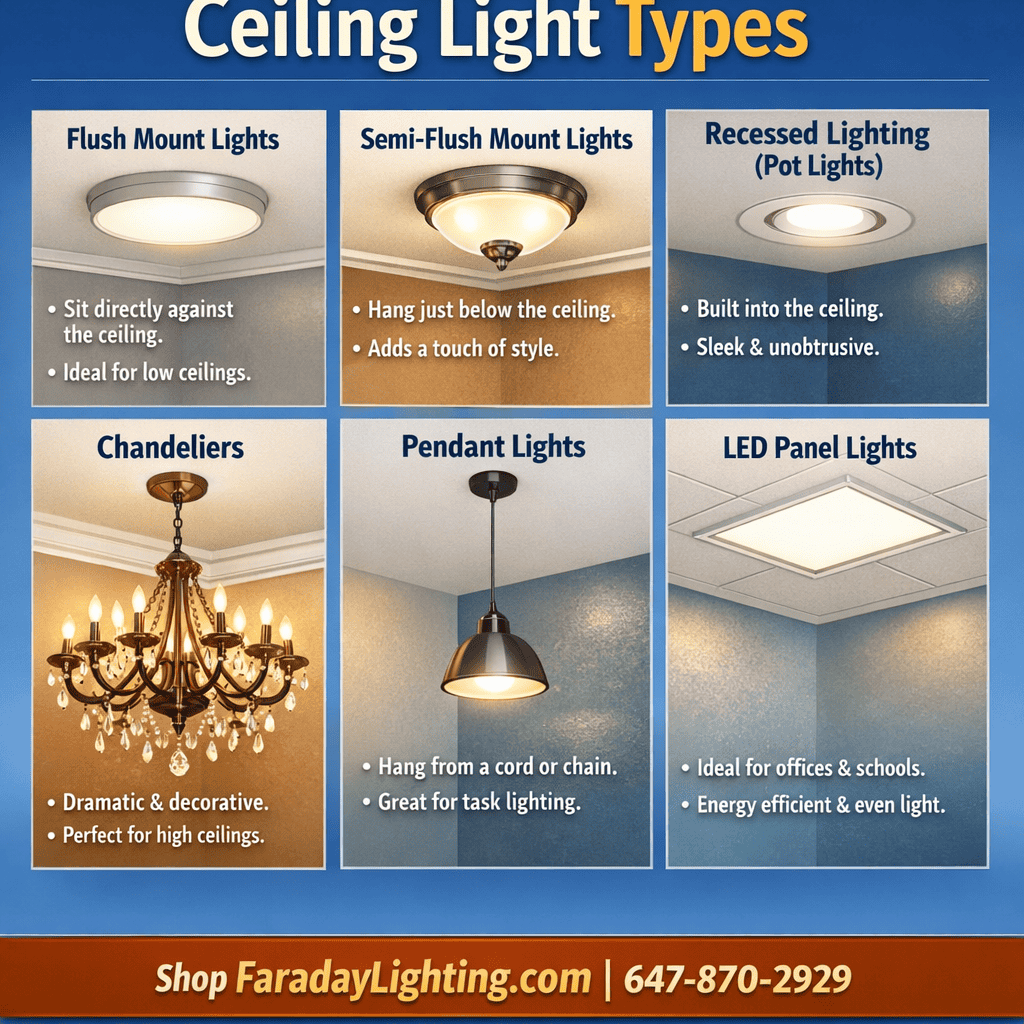
Overview of Common Ceiling Light Types Found in Industrial, Commercial and Homes
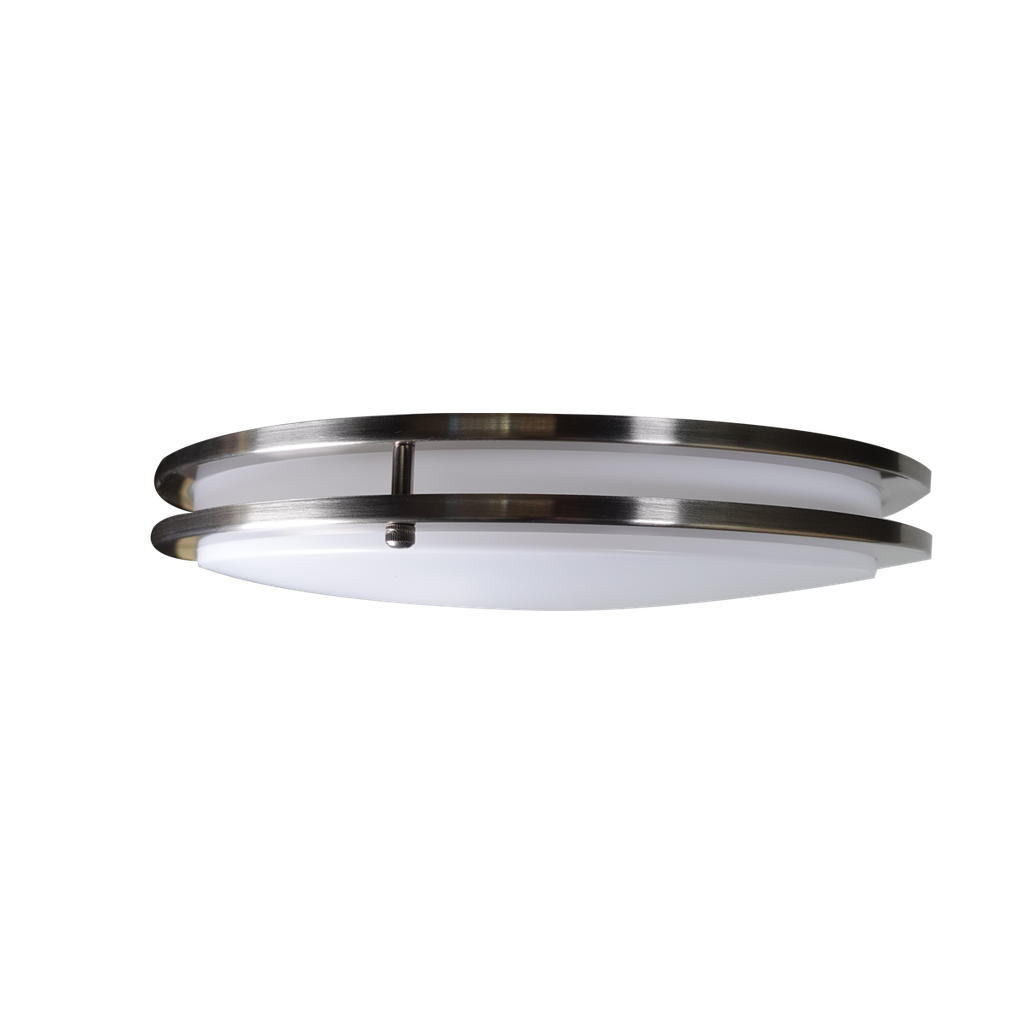
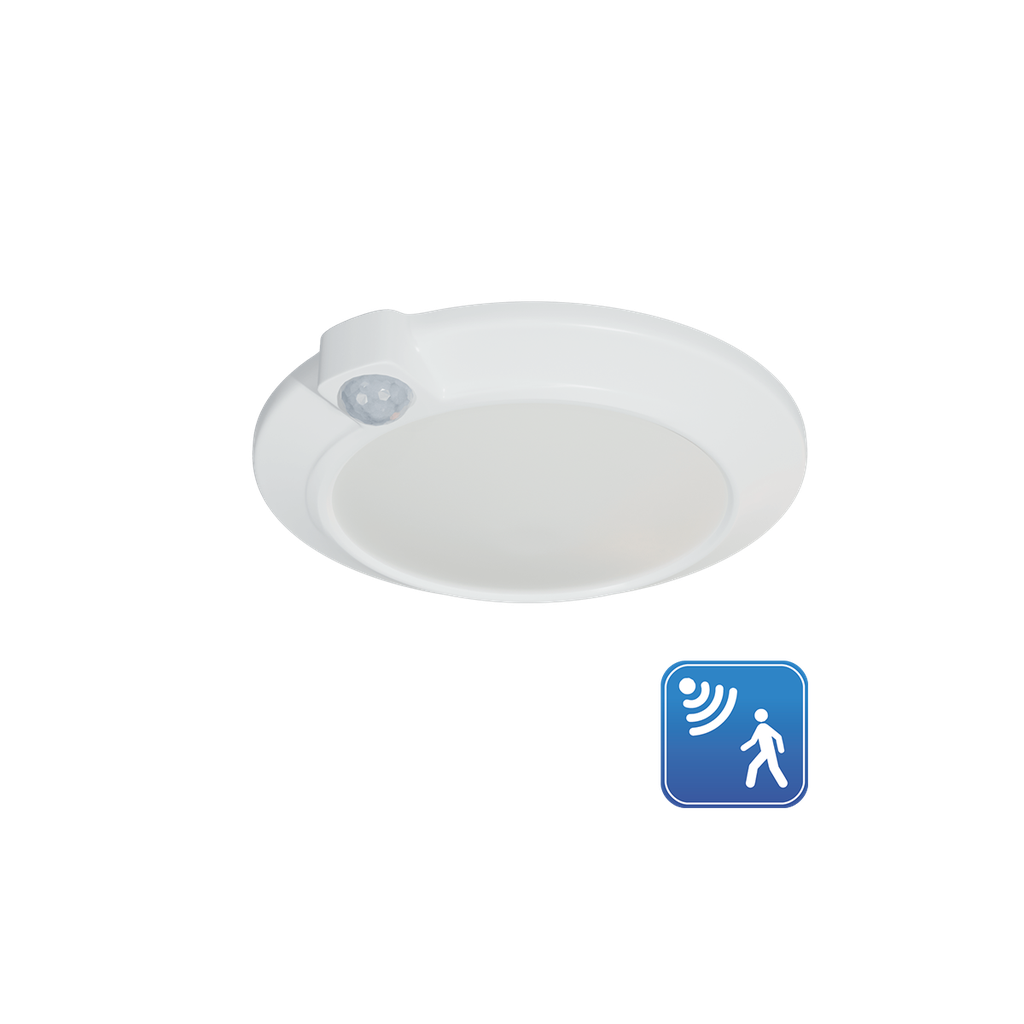
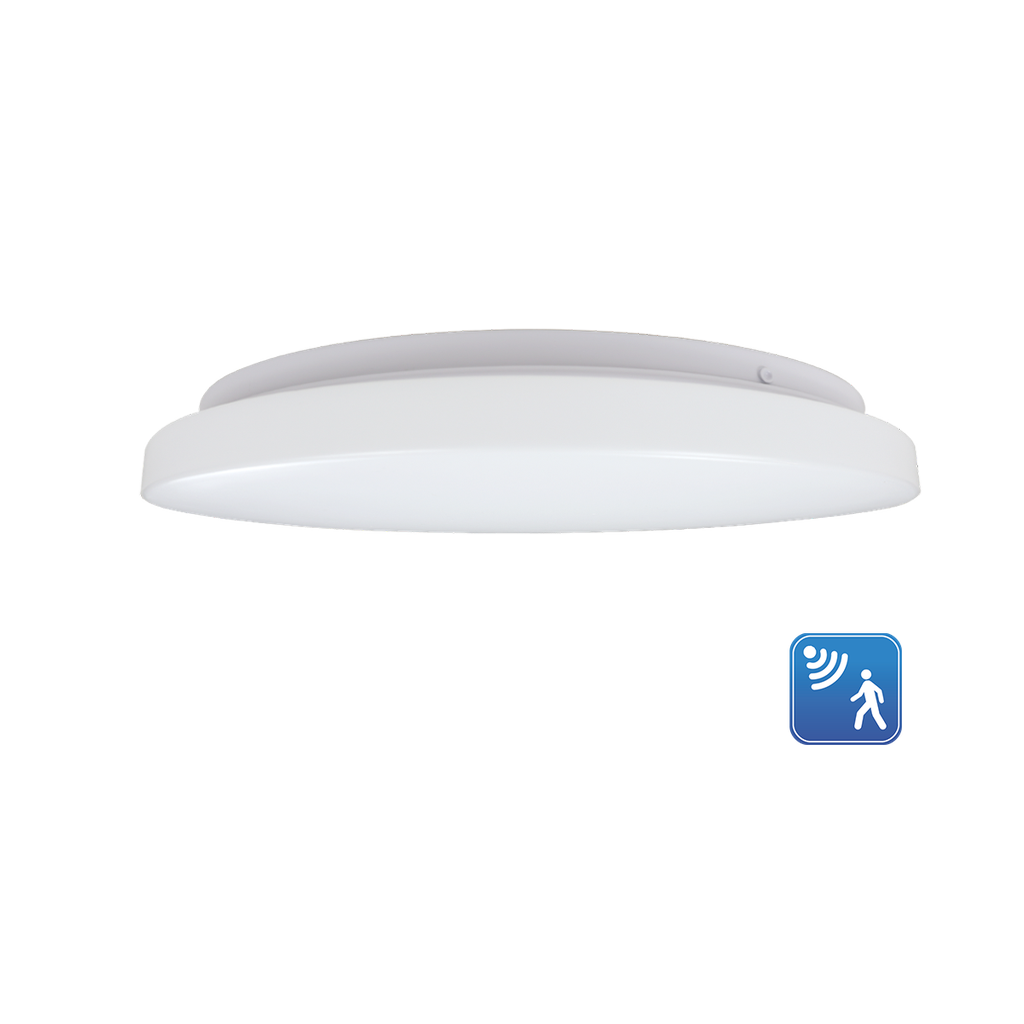
- Flush-mount lights sit directly against the ceiling with no gap. They’re practical, space-saving, and ideal for rooms with low ceilings where a hanging fixture would feel intrusive or become a hazard.
- Semi-flush mount lights hang a few inches below the ceiling, creating a subtle visual focal point while still working well in rooms with standard ceiling heights. They offer a bit more design personality than fully flush options.
- Recessed lighting (pot lights) is embedded into the ceiling for a clean, minimal look. They’re popular in kitchens, hallways, and commercial offices because they distribute light broadly without cluttering the visual space.
- Chandeliers are statement pieces — ideal for dining rooms, entryways, hotel lobbies, and banquet halls. They require higher ceilings and are chosen as much for aesthetics as for illumination.
- Pendant lights hang from a single cord or chain and work beautifully over kitchen islands, reception desks, and retail display areas. They focus light downward, making them excellent for task lighting.
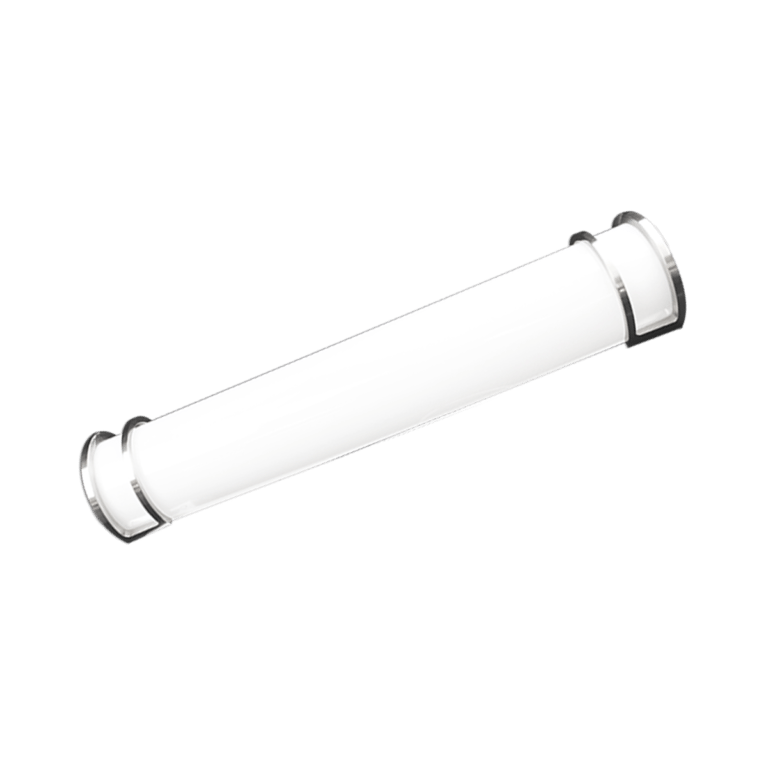
- LED panel lights are the go-to for commercial and institutional spaces — offices, schools, healthcare facilities, and warehouses. They provide even, diffused illumination across large areas with exceptional energy efficiency. Faraday Lighting’s LED Flat Panels are a good choice here, engineered for uniform, flicker-free output in demanding commercial environments.
Where Each Type Works Best?
The right indoor lighting option always starts with purpose and space type. A chandelier belongs in a grand foyer, not a utility closet. LED panels make commercial offices bright and functional, but may feel sterile in a home living room. Matching fixture type to environment is the foundational step in any lighting decision.




Room Size & Ceiling Height Considerations
Once you understand the fixture types, the next step is assessing your space. Room dimensions and ceiling height are the two biggest factors that determine which fixture is physically and functionally appropriate.
Why Size Matters?
An undersized fixture leaves a room feeling dim and unfinished. An oversized fixture overwhelms the space and can create harsh glare. Proper sizing ensures balanced light distribution throughout the room.
Ceiling Height Guidelines
As a general rule of thumb for ceiling lighting design:
- Low ceilings (under 8 ft): Flush mount fixtures are the safest choice. They preserve headroom and avoid the risk of anyone bumping into a hanging light.
- Standard ceilings (8–9 ft): Semi-flush mounts work well here, offering more design options without sacrificing clearance.
- High ceilings (10 ft and above): Modern chandeliers, pendants, and LED high bay fixtures are ideal choices. High bays are especially important for warehouses, factories, and sports facilities where ceiling heights can reach 20–40 feet and powerful downward light coverage is essential.
Fixture Size Rules
- For a single ceiling fixture in a room, a widely used formula is to add the room’s length and width in feet, then convert that number to inches, that’s the approximate ideal fixture diameter.
- An example, a 12 ft × 14 ft room suggests a fixture roughly 26 inches in diameter.
- For recessed pot lights, space them roughly half the ceiling height apart.
- In a 9 ft ceiling, place recessed lights approximately 4–4.5 feet apart from each other to achieve even coverage.
Spacing Tips for Commercial Spaces
In commercial applications such as offices, warehouses, or retail floors, spacing becomes a photometric calculation rather than a rule of thumb. Faraday Lighting’s light level simulation service provides accurate photometric layouts tailored to your specific floor plan and fixture type, ensuring code-compliant illuminance levels without over-lighting (and overspending).
Brightness & Lumens: How Much Light Do You Need?
Understanding how to measure brightness is one of the most practical skills in choosing ceiling lighting.
Lumens vs. Watts
For decades, people bought light bulbs based on wattage. Higher wattage meant brighter light, simple. But with the shift to LED, that logic no longer holds. Watts measure energy consumption, not light output. A 10W LED can easily outshine a 60W incandescent bulb.
The correct measure of brightness is lumens. More lumens = more visible light. When reading any LED light output specification, focus on lumens, not watts.
Recommended Brightness by Room
A common starting point for residential spaces is 20–30 lumens per square foot for general ambient lighting. Commercial and task-intensive spaces require more:
- Living rooms: 1,500–3,000 lumens (cozy, ambient)
- Kitchens: 3,000–5,000 lumens (bright task lighting needed)
- Bedrooms: 1,000–2,000 lumens (relaxed atmosphere)
- Home offices: 3,000–5,000 lumens (focus and reduce eye strain)
- Warehouses & manufacturing floors: 30–50+ foot-candles, depending on task complexity. This blog post on foot candles provides an excellent breakdown of commercial lighting standards
The Layered Lighting Concept
Relying on a single ceiling fixture for all the light in a room is a common mistake. Professional lighting designers use three layers:
- Ambient lighting: The base layer — general illumination from ceiling fixtures
- Task lighting: Focused light for specific activities (reading, cooking, workbench tasks)
- Accent lighting: Decorative or directional light to highlight architectural features or artwork
Layering allows you to adjust the atmosphere of a space rather than being locked into one brightness level.
Choosing the Right Light Color
Brightness tells you how much light you have. Color temperature tells you what kind of light it is, and this has a surprisingly large impact on how a space feels.
Understanding Color Temperature (Kelvin Scale)
Color temperature is measured in Kelvin (K). The scale runs from warm amber tones at the low end to cool, almost blue-white at the high end:
- Warm white (2700K–3000K): Soft, golden tones similar to incandescent bulbs. Relaxing and inviting.
- Neutral white (3500K–4000K): Clean, natural light. Versatile and widely used in offices and retail.
- Cool white / daylight (5000K+): Crisp, bright, high-contrast light. Excellent for detailed work, inspection areas, and industrial environments.
Best Use Cases
A bedroom or living room almost always benefits from warm white. It promotes relaxation and feels residential rather than clinical. Kitchens and home offices work well with neutral white — enough brightness and clarity without feeling harsh.
For commercial offices, hospitals, and schools, neutral to cool white (3500K–4500K) supports focus and reduces fatigue. Warehouses, manufacturing facilities, and automotive showrooms typically perform best with cool white (5000K), which maximizes visual acuity and makes it easier to spot detail and color differences.
Faraday Lighting’s ceiling and wall mounted interior LED fixtures are available across multiple color temperatures, so you can match the Kelvin rating to your specific application.
Energy Efficiency & LED Benefits
The lighting industry has gone through a fundamental shift. If you are still operating fluorescent tubes or metal halide fixtures, you are almost certainly leaving significant money and performance on the table.
-
Why LED Is the Best Choice
LED technology has matured to the point where it is the clear, dominant choice for nearly every lighting application. The core reasons are well-established: LED fixtures consume dramatically less electricity than equivalent incandescent, halogen, or fluorescent sources, they produce very little heat (reducing HVAC load), and they last 50,000 hours or more, compared to 1,000–10,000 hours for older technologies.
Faraday Lighting’s LED T8 lamps and fixtures deliver up to 135 lumens per watt and can reduce energy consumption by up to 60% compared to traditional fluorescent tubes, a significant operational saving over a multi-year period.
-
Cost Savings Over Time
For commercial and industrial users, the math is compelling. A warehouse running 100 metal halide high bays, replaced with Faraday LED high bay fixtures, can realistically cut its lighting energy bill by 50–70%. When you add reduced maintenance costs (fewer bulb replacements, less labor) and available utility rebates, the payback period is often well under three years. Faraday’s ROI calculator guide walks through this calculation step by step for Ontario commercial facilities.
-
Environmental Benefits
LEDs contain no mercury (unlike fluorescent tubes), produce less waste due to their long lifespan, and significantly reduce a facility’s carbon footprint. For businesses pursuing sustainability targets or green building certifications, LED lighting upgrades are among the most impactful single changes available.
-
Smart Lighting Options
Modern LED systems go beyond on/off switching. Options include dimmable LEDs (0–10V dimming for fine control), motion-activated sensors (ideal for corridors, storerooms, and parking areas), and smart lighting controls that integrate with building management systems. Faraday’s blog on motion-activated lighting outlines ten practical reasons businesses across Ontario are making this switch.
Design & Style Considerations
Function determines the fixture type and brightness. Design determines whether your space feels cohesive and intentional or mismatched and generic.
- Matching Lighting with Interior Design
The fixture you choose should complement the broader design language of the space. Common interior styles each pair well with specific lighting aesthetics:
- Modern/minimalist: Clean lines, recessed fixtures, geometric pendants, and integrated LED panels
- Industrial: Exposed metal fixtures, cage lights, and linear high bays that celebrate structure rather than hiding it
- Traditional/classic: Chandeliers, semi-flush mounts with decorative glass, and warm-toned finishes
- Scandinavian/natural: Simple forms, matte white or warm wood finishes, and warm color temperatures
Statement vs. Functional Lighting
In residential spaces, a dining room chandelier or a bold pendant over a kitchen island serves double duty, it illuminates and decorates. In commercial environments, the emphasis typically shifts toward functional lighting, though retail and hospitality spaces still benefit greatly from fixtures that are visually engaging.
Material & Finish Options
Consider how the fixture’s materials interact with the rest of the room. Brushed nickel works well in contemporary spaces. Matte black is a popular choice in modern and industrial settings. Brass and gold tones are making a comeback in premium residential interiors. For commercial spaces, powder-coated aluminum is the standard for its durability and clean appearance.
Installation & Placement Tips
Even the best fixture delivers poor results if it is placed incorrectly or installed without thought for the surrounding elements.
- Central vs. Zoned Lighting
A single central fixture is simple but often inadequate for larger or multi-functional rooms. Zoned lighting, multiple fixtures targeting different areas, gives you greater control and better overall illumination. This is standard practice in commercial offices, retail environments, and open-plan living spaces.
- Height & Positioning
A few key guidelines for common scenarios:
- Over a dining table: Hang a pendant or chandelier so the bottom sits 28–36 inches above the table surface
- Over a kitchen island: 30–36 inches above the countertop is the standard range
- In a workspace: Ceiling-mounted fixtures should distribute light evenly across the desk surface without creating shadows or glare on screens
Professional Installation vs. DIY
Simple fixture swaps (replacing a flush mount with a newer model on an existing junction box) are manageable for experienced DIYers. However, any work involving new circuits, multiple fixtures, or commercial-scale projects should be handled by licensed electricians.
Faraday Lighting provides full electrical contracting services, including ESA-compliant installation across Ontario, Canada, removing the risk and coordination burden from the client.
Retrofit vs. New Installation
If you are upgrading existing fixtures rather than building from scratch, retrofitting is often the most cost-effective path. Faraday’s LED recessed fixtures and retrofit kits allow you to upgrade to modern LED performance without needing to replace the entire housing, a significant cost and labor saving, especially across large commercial properties.
Budget & Cost Considerations
Ceiling lights span an enormous price range. Understanding the full cost picture prevents both under-investing and over-spending.
- Upfront Costs
Residential flush mounts can cost anywhere from $30 to several hundred dollars depending on brand and design. Commercial-grade LED panels, troffers, or high bays typically range from $50 to $400+ per fixture, but the per-unit cost drops significantly at volume.
- Long-Term Value
The upfront cost of a fixture is only one part of the equation. Energy consumption and maintenance frequency over a five-to-ten-year period often dwarf the initial purchase price. A cheaper fixture running on older technology may cost three to four times more to operate over its lifetime compared to a premium LED alternative.
- Balancing Cost & Quality
The goal is not the cheapest fixture but the best value over time. DLC Premium-certified fixtures (a standard Faraday Lighting adheres to across its commercial product lines) guarantee a minimum level of efficiency and quality, giving buyers confidence that the fixture will perform as specified.
ROI Perspective for Commercial Spaces
For facility managers and property owners, LED upgrades should be evaluated as capital investments, not operational expenses. With available Ontario utility rebates, which Faraday Lighting helps clients access through their rebate management service. The net cost of a retrofit project can be reduced by 30–50%, dramatically shortening payback periods.
Common Mistakes to Avoid
Even well-intentioned lighting projects go wrong. Here are the most frequent pitfalls:
- Choosing style over function: A beautiful chandelier that leaves half the room in shadow is a failure, regardless of how it looks in a catalogue
- Ignoring room size: Undersized fixtures in large rooms create uneven, frustrating lighting
- Wrong color temperature: Cool white in a bedroom will feel clinical and disruptive to sleep. Warm white in a warehouse makes detailed inspection difficult
- Insufficient brightness: Erring on the low side of lumens is a very common mistake, plan for slightly more than you think you need, then use dimming controls to reduce as desired
- Poor placement: A single fixture positioned off-center or too high above a work surface can negate most of its usefulness
When Should You Upgrade Your Ceiling Lights?
Signs You Need an Upgrade
Several clear signals indicate it is time to replace existing ceiling fixtures:
- Flickering or inconsistent output: A sign of aging ballasts or failing components
- High energy bills: If your lighting costs have not declined over the past decade, you are likely still running inefficient technology
- Outdated fixtures: Pre-2015 fluorescent or incandescent installations are almost certainly costing more than necessary
- Poor illumination: If staff, customers, or family members are supplementing with lamps or task lights because overhead lighting is inadequate, the system needs a rethink
Ideal Scenarios for Upgrading
Renovation and construction projects are the obvious trigger — it’s always more economical to specify the right lighting from the outset than to retrofit later.
Energy-saving upgrade programs, particularly for Ontario businesses accessing IESO incentives, create attractive economics even outside of renovation cycles. And for commercial expansions — new warehouses, additional office floors, retail fit-outs — getting the lighting right from day one protects the investment for 15+ years.
If you are unsure whether your facility is a good candidate for an upgrade, =”https://faradaylighting.com/free-audit/”>Faraday Lighting’s free lighting audit is a no-obligation starting point. Their team will assess your current system, model the savings potential, and present a clear business case before any commitment is made.
Conclusion
Choosing the right ceiling light is not a single decision, it’s the result of systematically working through room size, ceiling height, required brightness, appropriate color temperature, energy efficiency goals, design preferences, and budget realities. Every factor interacts with the others, and shortcuts in any one area tend to produce results you will want to change within a few years.
The good news is that the technology available today, particularly LED making it easier than ever to get all of these factors right simultaneously. Modern LED fixtures are brighter, more efficient, longer-lasting, and more design-flexible than anything that came before them.
For homeowners, the path forward is straightforward: use this guide to select the right fixture type and specifications, and invest in quality over price. For commercial and industrial operators in Ontario, the opportunity is even larger — and the economics are compelling enough that delaying the upgrade is genuinely costing money every month.
If you are ready to move forward, Faraday Lighting offers end-to-end support: from free facility audits and photometric simulations through to product supply, certified installation, and rebate processing. With 14+ years of experience and hundreds of completed projects across Ontario, they are a trusted partner for getting ceiling lighting right — the first time.
Frequently Asked Questions
What is the best type of ceiling light for a living room?
For living rooms, the ideal approach is layered lighting rather than a single fixture. A semi-flush mount or chandelier provides ambient overhead illumination, while recessed pot lights or track lighting can highlight specific areas. For most living rooms, warm white (2700K–3000K) fixtures create the relaxed, inviting atmosphere the space calls for. Dimmable LEDs give you the flexibility to shift from bright and functional to soft and atmospheric at will.
How many lumens do I need for a ceiling light?
A useful starting benchmark is 20 lumens per square foot for general residential ambient lighting. A 200 sq ft living room, therefore, needs roughly 4,000 lumens total, which may come from one large fixture or several smaller ones. Kitchens and home offices benefit from 30+ lumens per square foot, while bedrooms can be comfortable with as few as 10–15 lumens per square foot for relaxed ambient light.
Are LED ceiling lights better than traditional bulbs?
In virtually every measurable way, yes. LED fixtures use 60–80% less energy than incandescent bulbs and 30–50% less than fluorescent lamps. They last 25,000–50,000+ hours compared to 1,000 hours for incandescent and 10,000 hours for fluorescent. They produce less heat, contain no hazardous materials, and are available in a full range of colour temperatures and form factors. The slightly higher upfront cost is recovered quickly through energy and maintenance savings.
What colour light is best for home use?
It depends on the room. Warm white (2700K–3000K) is best for bedrooms, living rooms, and dining areas; it promotes relaxation and feels comfortable. Neutral white (3500K–4000K) works well in kitchens, bathrooms, and home offices where clarity and focus are more important. Avoid cool white (5000K+) in living spaces; it works well in garages, workshops, and commercial environments but feels harsh in a home setting.
Can I install ceiling lights myself?
For straightforward fixture replacements, swapping one flush mount for another on an existing junction box, a reasonably handy homeowner can manage the job safely. However, any work involving new wiring, additional circuits, dimmer switches, or commercial-scale installations should be completed by a licensed electrician. In Ontario, commercial electrical work must comply with ESA standards. Faraday Lighting’s electrical contracting team handles this from specification through to sign-off, ensuring compliant, safe installations.
How do I choose the right size ceiling light?
The standard formula: add the room’s length and width (in feet), and that number in inches approximates the ideal fixture diameter. A 10 ft × 12 ft room suggests a fixture around 22 inches across. For ceiling height, allow at least 7 feet of clearance below any hanging fixture in a living area, and use flush mounts in any room where the ceiling is under 8 feet. For commercial spaces, Faraday Lighting offers light level simulation services to provide precise, photometrically accurate fixture placement and sizing recommendations.